Country Life: What a Small Citrus Farm Does in the Off-Season
When the last crate of fruit leaves the shed and the trees stand quiet, the farm does not stop. It changes pace. The off-season—usually late autumn through winter in a Mediterranean climate, though it shifts with variety and region—is when a small citrus farm catches up on the work that harvest crowds out. There are no early starts for picking, no rush to the packing table. Instead, there is the smell of oil on a sharpening stone, the slow spread of compost under the canopy, and a notebook filling with plans for spring. This is the season for maintenance, repair, and thinking ahead.
The Workshop Comes First
Tools take a beating during harvest. Pruners gum up with sap, loppers dull on deadwood, and the wheelbarrow tyre goes soft in the shed. Before anything else, set aside a dry bench and go through every cutting tool you own. Clean the blades with a stiff brush and a little warm water, dry them thoroughly, then sharpen the bevel side only—file or stone, whichever you prefer. A few passes are enough; you are restoring the edge, not grinding the blade away. Oil the pivot, check the spring, and tighten any loose nut. For pruning saws, replace bent or missing teeth rather than forcing a dull blade through green wood.
Hygiene matters as much as sharpness. Sap and soil can carry problems from one tree to the next, so wipe blades with a clean cloth and a recommended disinfectant between trees when you are working on suspect wood. Keep a small brush and a bottle in your pocket. It is a habit that costs seconds and saves trouble.
A simple tool-care routine
- Brush off soil and sap, then dry every blade and joint.
- Sharpen pruners and loppers on the bevel; remove burrs from the flat side.
- Oil pivots and springs, and check handles for cracks.
- Replace worn parts—springs, bumpers, blades—before they fail mid-cut.
- Hang tools off the floor, labelled and within reach.
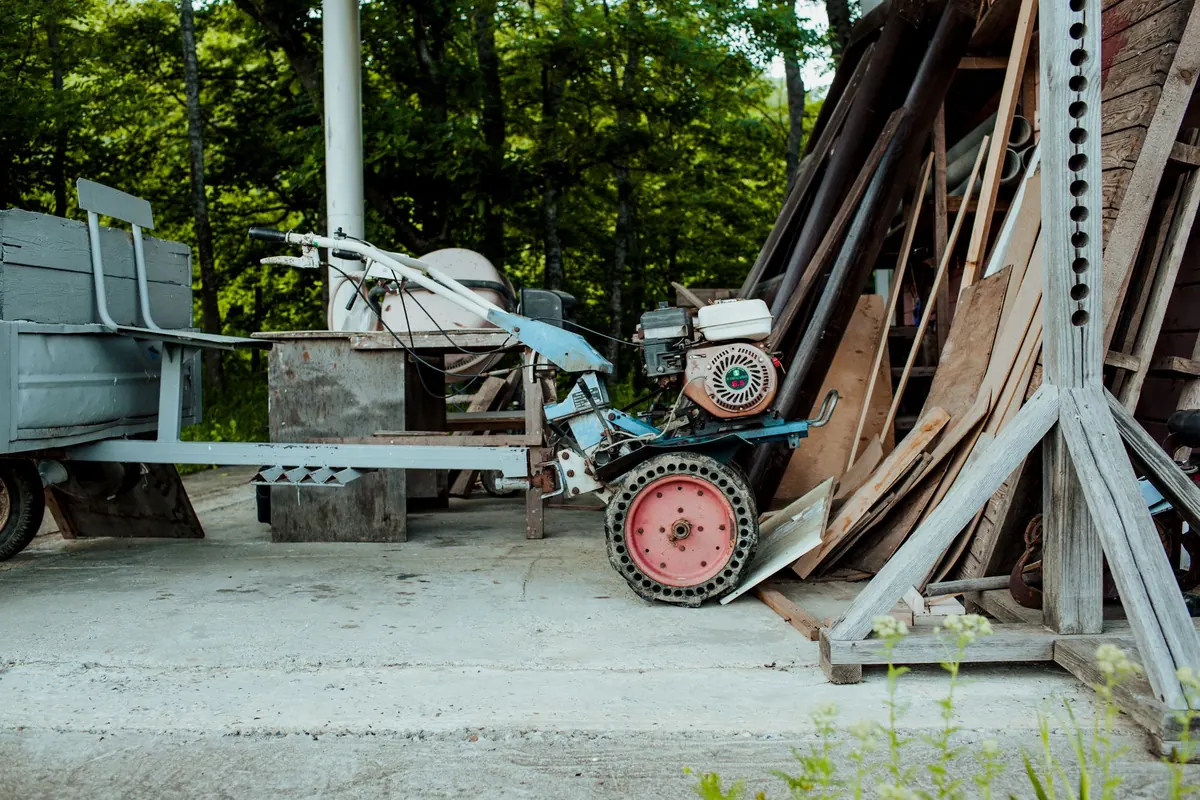
While the bench is clear, service the pump, clean the sprayer, and check the mower. Anything with a fuel engine gets fresh oil, a clean air filter, and a battery on a maintenance charge. Write down what needs replacing so you can buy once, not twice.
Feed the Soil Before You Feed the Trees
Citrus is hungry, but more fertilizer is not always the answer. The off-season is the time to improve the soil under the canopy and along the row. Start with a walk and a soil test if you have not done one recently. A basic test tells you pH, organic matter, and major nutrients; it is a guide, not a verdict, and your local extension service or agronomist can help you interpret it. In many citrus soils, keeping pH in a suitable range and building organic matter matter more than a quick nitrogen boost.
Spread mature compost in a ring under the canopy, keeping it a hand's width away from the trunk. Mulch over the top with straw, wood chips, or orchard prunings that have been chipped and aged. Mulch cools the surface, slows evaporation, and gives soil life something to work on. Do not pile it against the trunk; leave a gap for air.
If you use cover crops, choose something that suits your climate and will not compete with the trees for water. A low-growing mix between rows can hold soil over winter and be mown in spring. On sloped ground, keep a strip of vegetation along the contour to slow runoff. The aim is a soil that crumbles in the hand, holds moisture, and smells alive—not a dust bowl that cracks in summer.
Pruning Plans on Paper Before Cuts in Wood
Pruning is easier to do well when it is planned. Walk the orchard with a notebook and mark trees that need attention. Look for deadwood, crossing branches, suckers below the graft union, and limbs that block paths or rub against irrigation lines. Note where light is poor and where fruit sits low enough to touch the ground. Check the skirt of each tree: citrus usually benefits from a clear gap between the lowest branches and the soil, enough to let air move and to make weeding and harvesting easier.
What to note on your walk
- Dead, diseased, or broken limbs to remove first.
- Branches that cross or rub, and narrow crotches that may split under fruit load.
- Suckers from the rootstock and water shoots growing straight up.
- Trees that are too tall to pick safely without a ladder.
- Access routes for ladders, crates, and the wheelbarrow.
From those notes, make a simple plan: which trees first, which need only a light tidy, and which need a heavier structural cut. Plan the order so you do not spend a morning moving ladders around the same tree twice. Sharpen your saw and pruners the night before. If you are unsure about a major cut, leave it for another season and take advice; removing too much wood at once can push a tree into excess regrowth and reduce fruit. The best pruning plan is one you can finish in the time you have, with clean cuts and a clear reason for each one.
Orchard Repairs That Save Spring Headaches
Water is the first repair. Walk every line with the system running, one zone at a time. Look for leaks at joints and emitters, and check that each tree is getting water where it should. Clean or replace clogged emitters, flush the ends of drip lines, and repair chewed or split hose. If you have a filter, clean it; if you have a valve that sticks, fix it now. A small leak in winter is a dry tree in summer.
Then move on to the structures. Fix fence posts that have heaved, tighten wire, and replace gates that drag. Repair the shed door, the packing table, and the crates that will hold next season's fruit. Clear paths and drainage channels so winter rain runs away from tree roots instead of sitting in a hollow. Check windbreaks: a torn net or a loose stake is easier to mend on a quiet day than in a spring wind. Keep a small repair kit in the truck—wire, ties, tape, a spare emitter, a pair of pliers—and use the quiet season to do the small jobs that become urgent later.
Slow Observation and Honest Records
Some of the most useful off-season work is quiet. Walk the orchard after rain and look at the soil, the leaves, and the bark. Note which trees hold water, which look pale, and where weeds keep returning. Check trunks for damage from mice, string trimmers, or frost. Look under leaves and along new growth for signs of pests, but do not spray on suspicion; identify first, then decide. This is also the time to update your records: planting dates, variety names, pruning notes, irrigation repairs, and anything that failed last season. A simple notebook or a spreadsheet is enough. The point is not a perfect archive. It is a memory you can use when the same problem appears again.
A Practical Off-Season Checklist
Keep the off-season work modest and regular. A few hours each week beats a frantic week in spring. Use this short checklist to stay on track:
- Clean, sharpen, and oil cutting tools; replace worn parts.
- Spread compost and mulch; test soil if needed.
- Walk the orchard and write a pruning plan.
- Check irrigation lines, fences, paths, and drainage.
- Record problems, repairs, and spring tasks.
Finish each day by putting tools away and adding a line to the notebook. The off-season is not empty time. It is the farm's quiet preparation, done at a pace that lets you notice what the trees and soil are telling you.
Photo: Roman Serezhechkin / Pexels