Seasonal Citrus Care Calendar for a Mediterranean Climate
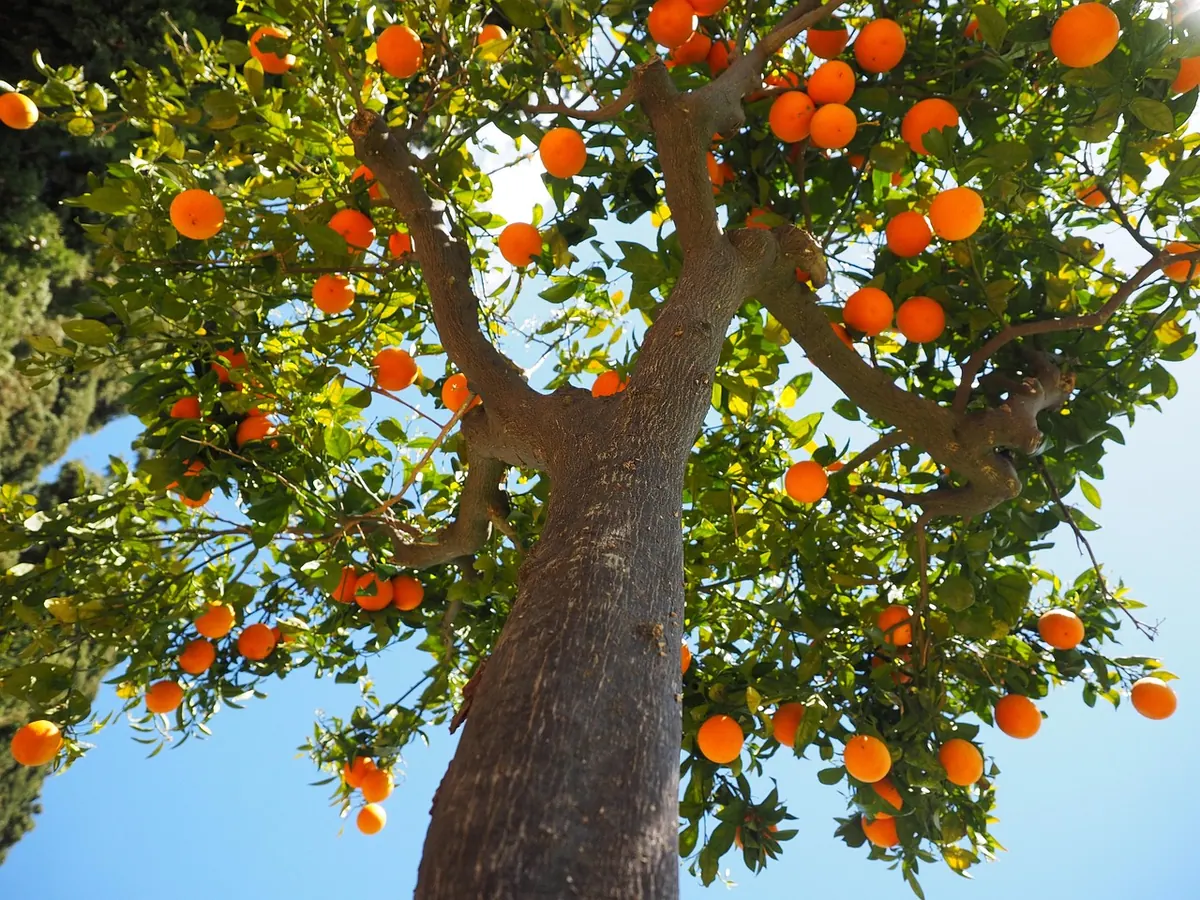
A citrus tree keeps a calendar that has little to do with the one on your wall. It runs on soil temperature, on the length of the day, on how much water has moved through the root zone since October. Get those things roughly right and the tree does most of the work itself. Get them wrong — a heavy feed in November, a shallow watering in July — and you spend the following season correcting it.
What follows is the rhythm we work to in a Mediterranean climate: mild, wet winters, hot dry summers, and a long shoulder season either side. It suits lemons, oranges, mandarins and bergamots alike, with small adjustments for the young trees and the pots. Treat the months as prompts rather than commands; a cold spring in the hills shifts everything two or three weeks later than a sheltered coastal terrace.
Late Winter: Pruning, Frost Watch and the Last of the Oranges
January and February are quiet above ground and busy below it. Roots keep working in cool soil, slowly, which is why a hard prune now heals cleanly before the spring push.
Wait until the worst of the frost has passed before you take the secateurs out. In most Mediterranean gardens that means late February, though a valley floor can hold a cold pocket into March. Until then, protect rather than cut. Wrap young trunks with horticultural fleece, move pots against a south-facing wall, and water the ground the day before a forecast frost — damp soil holds warmth better than dry. Keep the foliage dry and never wrap a tree in plastic.
When you do prune, work in this order:
- Clear the dead, the damaged and anything rubbing.
- Remove suckers from below the graft union and water sprouts shooting straight up through the canopy.
- Open the centre a little so light and air reach the fruit, without stripping the tree bare.
- Step back every few cuts. A tree that loses more than a quarter of its canopy at once will answer with a flush of leaves and few flowers.
Harvest continues: late navels, the tail end of the mandarins, and lemons more or less as you need them. Clip the fruit with a short stalk and leave the button attached — pulled fruit tears the skin and invites mould. Hold off feeding. There is no point pushing soft new growth into the last of the cold.
Spring: Feeding, Mulch and the First Flush
March to May is the year's turning point. Flowering, the first new flush, and the moment to set the tree up for summer.
Feed once the new growth is clearly moving and the soil has warmed — a citrus fertiliser, applied to the drip line rather than the trunk, watered in well. Follow the label for quantity; a light tree and a heavy cropping tree do not want the same. Then mulch, keeping the material a hand's width clear of the trunk, to hold moisture and steady the soil temperature.
Watering shifts from occasional to regular as the rains stop. Water deeply and then let the top few centimetres dry before you go again. A short daily sprinkle teaches roots to stay shallow, which is the last thing you want in July.
Walk the trees weekly with the flush. Aphids cluster on soft new tips and can be knocked back with a firm jet of water before they curl the leaves. Citrus leaf miner draws its silvery trails through young foliage — mostly cosmetic on a mature tree, worth watching on a newly planted one, where every leaf counts. Check the undersides of leaves for scale, and look for ants running up the trunk; they farm scale and protect it, so deal with the ants and the sooty mould usually follows.
Summer: Water Discipline and Fruit Fly
June to August tests your routine. The tree is carrying fruit through the hottest, driest weeks, and inconsistent watering is the most common cause of fruit drop, split skins and small, dry oranges.
Water in the early morning, deeply, and less often than feels natural. A basin or a ring of soil around the canopy edge helps water travel down rather than across. Check pots twice a day in a heatwave; they dry far faster than ground. If your water is high in salts, an occasional long, slow soak flushes the root zone.
Sunburn is real on citrus, particularly after a summer prune or on young trees with thin canopies. Paint exposed trunks and main limbs with a diluted whitewash, or rig shade cloth for the worst fortnight. Keep the area under the tree clear of fallen fruit, and hang fruit fly traps from late June in warm districts — monitor them, refresh the lure, and pick up dropped fruit daily, because the ground is where the next generation emerges. Never compost infested fruit; bag it and bin it. If you use a spray, read the label and follow local rules on timing and protective clothing.
Autumn: Ripening, Harvest and the Case for Restraint
September to November is harvest and, just as importantly, the season for doing less.
Oranges and mandarins colour before they sweeten, so taste rather than judge by the skin. Blood oranges need cool nights to develop their colour and flavour — picking early gives you a pale, sharp fruit. Lemons are more forgiving; take them when they reach a usable size, and the tree will keep producing.
Feed lightly, if at all, in early autumn, and stop nitrogen well before the cool weather sets in. Late feeding pushes tender growth that the first cold night will burn. Instead, turn your attention to drainage: citrus roots resent sitting in water, and autumn rain on compacted ground does more damage than a dry August. Check that water moves away from the trunk, and pull mulch back if it has slumped against the bark.
A Twelve-Month Task List
- January: frost protection, harvest late oranges, no feeding.
- February: prune after frost risk, remove suckers, order spring fertiliser.
- March: feed, mulch, resume regular watering, watch aphids on new tips.
- April: water deeply and less often, check scale on undersides, thin nothing — let the tree set.
- May: tidy water sprouts, inspect irrigation lines before the heat.
- June: hang fruit fly traps, whitewash exposed trunks, start summer watering routine.
- July: deep morning waterings, clear fallen fruit daily, watch for spider mites in dry heat.
- August: hold the routine, shade young trees, resist the urge to overwater.
- September: begin harvest, light autumn feed, check drainage.
- October: pick blood oranges late, clear windfall, repair mulch.
- November: stop feeding, tidy tools, plan winter pruning.
- December: harvest, frost watch, and leave the tree alone.
Five Habits That Matter More Than Any Calendar
Look before you act. Push a finger into the soil, turn a leaf over, taste a fruit. The calendar tells you what to check; the tree tells you what it needs.
Water deeply and infrequently, feed according to the label rather than the impulse, keep mulch off the trunk, clear fallen fruit, and write down what you did and when. A small notebook beats memory every season. A year or two of those notes and you will have a calendar of your own — one calibrated to your soil, your slope and your particular corner of the Mediterranean.
Photo: Hans / Pixabay