Why Your Citrus Tree Drops Fruit—and How to Stop It
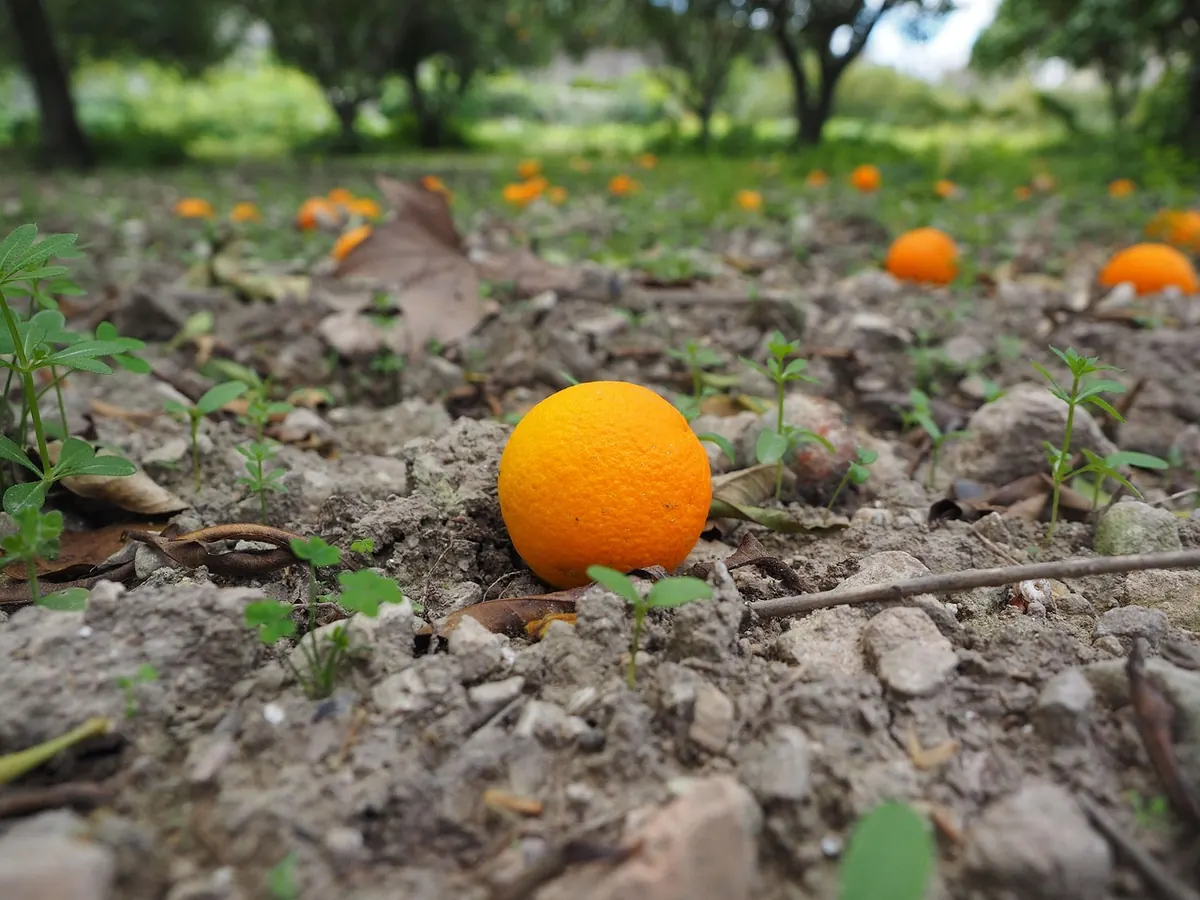
A citrus tree that sets a few hundred tiny green fruit and then quietly lets most of them fall is not failing you. It is doing something citrus has done for a very long time: hedging its bets. The trouble starts when the drop goes beyond the usual thinning, when fruit that looked strong suddenly carpets the ground, or when the same tree sheds its crop year after year while the leaves look tired.
Learning to read that difference is most of the battle. Once you know whether you are watching a normal spring shed or a tree in trouble, the fixes become fairly simple—and mostly about water, food and shelter from the weather.
Normal Drop Versus Stress Drop
Citrus typically sheds fruit in waves. The first comes soon after flowering, when unpollinated or poorly formed flowers and tiny fruitlets fall. A second, heavier wave follows weeks later, often called the June drop in the northern hemisphere, when the tree decides how much fruit it can actually carry to harvest. It is completely normal for only a small fraction of blossoms to become ripe fruit. A young tree in a pot may hold three or four lemons and be doing well.
Stress drop looks different. The fruit is often bigger, still firm and green, and it goes all at once rather than a little at a time. You may find leaves curling, yellowing between the veins, or dropping alongside the fruit. The trigger is usually obvious in hindsight: a heatwave, a forgotten watering, a cold snap, a fresh dose of fertilizer, or a sudden move to a new position.
Before you change anything, look at the whole tree. Check the soil moisture a few centimetres down, examine the undersides of leaves for pests, and think back over the past three or four weeks. The tree is almost always answering a question you asked it earlier.
Water: Too Little, Too Much, Too Irregular
Water is the most common reason a citrus tree abandons its crop. Citrus roots are shallow and fine, and they dry out faster than most people expect. A tree that dries to the point of wilting will drop fruit to protect itself, and it may do so days after the soil has been rewet.
Water deeply rather than often. A thorough soak that reaches 20 to 30 centimetres down, then a pause while the top few centimetres dry, encourages roots to go deeper and gives the tree a steadier supply. In hot, dry weather a container plant may need water daily; in the ground, twice a week is often enough, more in sand and less in heavy clay.
Overwatering is just as damaging and often harder to spot. Roots deprived of air rot, and the tree drops fruit while leaves yellow and the soil smells sour. If you garden on clay, plant on a slight mound and never let water pool around the trunk.
A quick watering checklist
- Push a finger or a wooden skewer into the soil. Damp at 5 centimetres means wait; dry means water.
- Water at the drip line and beyond, not against the trunk.
- Mulch with coarse bark or compost, kept a hand's width clear of the trunk.
- In containers, check that drainage holes are open and the pot is not sitting in a saucer of water.
- Never let a potted citrus go bone dry and then flood it; that cycle alone can strip a crop.
Feeding the Tree, Not Just the Fruit
Fruit retention takes energy and minerals, particularly potassium, magnesium and calcium, plus small amounts of zinc, iron and boron. A tree short of these holds less fruit, and what it keeps is often small or poorly coloured.
Too much nitrogen is its own problem. It pushes soft leafy growth at the expense of flowers and fruit, and the tree may drop its crop to support the flush. If your citrus is producing long, dark green shoots and very few fruit, ease off the high-nitrogen feed.
How to feed sensibly
Use a citrus fertilizer that includes micronutrients, and split the yearly amount into two or three doses from early spring through midsummer. Water the tree the day before feeding, and never apply fertilizer to dry soil or to a tree that is already stressed—you will make the drop worse. In cool climates, stop feeding by late summer so new growth hardens before winter. If leaves are yellow between green veins, check the soil pH; citrus prefers slightly acidic to neutral soil, and in alkaline ground iron and zinc become unavailable even when they are present.
Weather: Heat, Cold, Wind and Dry Air
A blast of hot, dry wind can strip a tree of young fruit in a day. So can a sudden heat spike after a mild spell, especially if the soil is dry. Where summers are fierce, shade cloth over the hottest weeks, a thick mulch layer, and a deep watering the evening before a forecast peak all help.
Cold works the other way. Frost and cold spring nights damage flowers and young fruit, and a tree that has been chilled may shed what remains. Move pots to a sheltered spot, wrap trunks in marginal climates, and avoid feeding late enough to encourage tender growth into autumn.
Windbreaks matter more than most gardeners realise. A hedge, a fence or a row of sturdy shrubs on the windy side reduces both physical damage and the drying effect of constant air movement. Indoor citrus in winter suffers from the opposite problem—low light and dry air—and often drops fruit; a bright, cool room and careful watering get most trees through.
Pests, Disease and Simple Mistakes
Mites, thrips and aphids feeding on young fruit can cause it to yellow and fall. Scale insects weaken the tree over time. Pick up fallen and mummified fruit rather than leaving it under the canopy, and avoid broad-spectrum sprays while the tree is in flower, when pollinators and beneficial insects are working.
Finally, remember the disturbances: repotting, transplanting, root pruning, a sudden change of position, or construction work near the roots. All of these can cost you a season's fruit. The tree is not being difficult. It is recovering.
A Practical Plan for the Next Few Weeks
- Check soil moisture at 5 centimetres in three spots and adjust your watering to a deep, steady rhythm.
- Clear fallen fruit and debris from under the canopy and add a layer of coarse mulch.
- Inspect leaf undersides and new shoots for pests before reaching for any spray.
- Feed lightly with a balanced citrus fertilizer if the tree is healthy and actively growing, and skip it if it is stressed.
- Provide shade or wind protection if the forecast turns extreme.
- Resist the urge to compensate with extra water and fertilizer. Steady is what a citrus tree responds to.
What to Expect Next Season
If your tree dropped fruit this year, treat the coming months as groundwork rather than rescue work. Keep the water even, feed modestly and on schedule, protect the canopy from the worst of the weather, and give the roots room to breathe. Citrus is slow to complain and slow to recover, but it is also remarkably generous once conditions settle.
Expect some natural thinning every spring—that is the tree doing its job. What you are aiming for is a drop that is gradual and unremarkable, with healthy leaves above it, and fruit that swells steadily instead of disappearing overnight.
Photo: Hans / Pixabay